
Understanding 3D Printing & Rapid Prototyping

Over the past years, there’s no denying that technological advancements have greatly improved many operations in various industries, especially the manufacturing field. As such, engineers, designers, manufacturers, and suppliers can now take advantage of highly efficient processes, streamlined applications, increased production, and quality outputs. This is where additive manufacturing comes into the picture.
4 Benefits of Rapid Prototyping in the Design Process
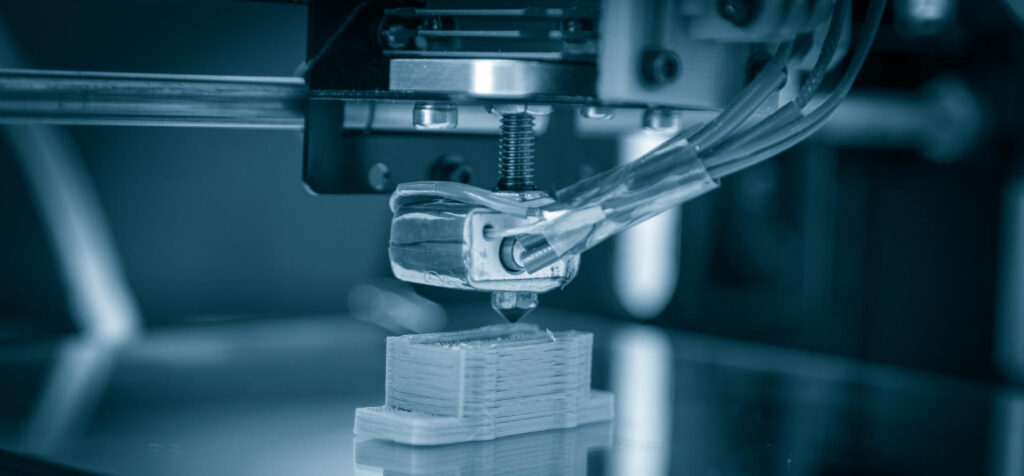
One of the many ways business has changed in modern times is the growing demand for rapid prototyping. Rapid prototyping is an innovative technique for product development that allows engineers to reduce the length of design timelines, which has been enabled by the growth of 3D printing technology. It has allowed many inventors, designers, engineers, and manufacturers to shorten their design-to-production workflow.
3D Printing vs Rapid Prototyping – 3 Differentiating Factors
Thanks to the advancements of technology, many industries are now enjoying the rewards of modern product development methods. Not only do these processes aid in enhancing the quality of new items, but they also multiply the speed at which they’re made. One of the most significant examples of this is the introduction of 3D printing and rapid prototyping.
The Difference between Glass & Carbon Fibre Composites – Which is Better?

In the world of composites, both glass and carbon fibre are well-established materials widely used. Fibreglass has always been used in boat building, structural components, and draining products. Meanwhile, carbon fibre has always been associated with speed and high performance used in race cars, passenger jets, and high-end engineered solutions. However, when it comes to 3D printing, both are considered high-quality fibres. The question is: which is better? We’ll explore this question and answer that in the following section.
4 Benefits of Rapid Prototyping – What to Know

One of the biggest challenges when it comes to product design is designers not being able to know how the final product will look or feel. Although 3D design software has come a long way, there wasn’t any way to tell how a product will turn out. If there are necessary changes that need to be made to the final product, it will be even harder as they will have to go through the whole process, costing businesses more money and time.
Eleven 3D Printing Terms You Need to Know – What to Know

If you’re new to the world of 3D printing, there are plenty of things to learn about. From concepts to terminology, jargon dominates conversations that you’ll find hard to understand. But don’t worry, we’ve got you covered.
6 Advantages of Rapid Prototyping
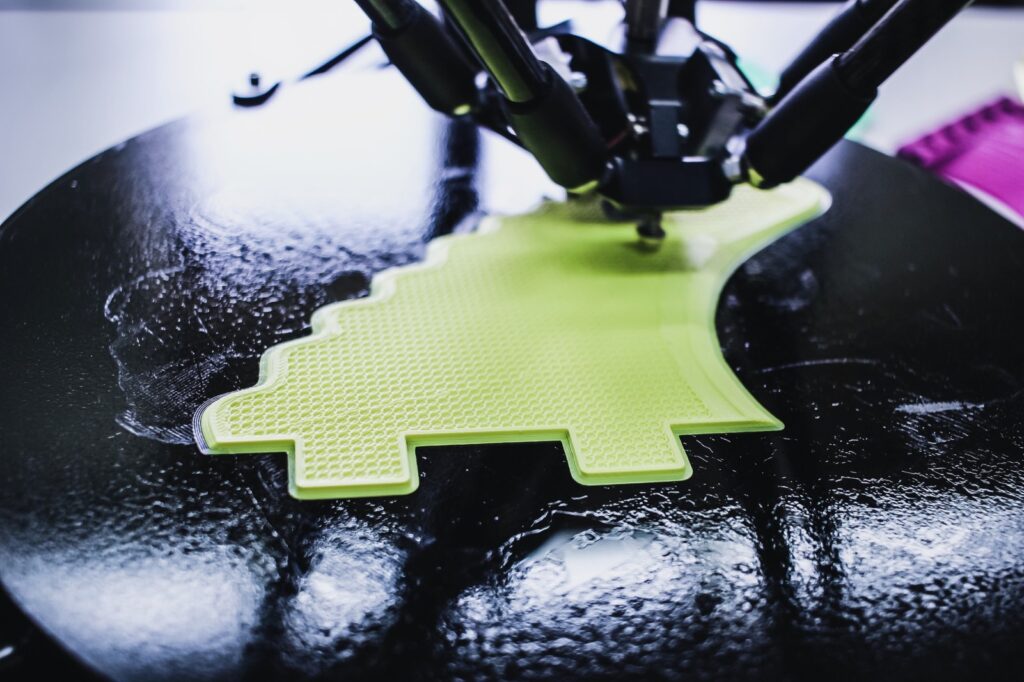
Rapid prototyping comes with a myriad of advantages. In general, it speeds up the product development process. Today, product designers, manufacturers, and other sorts of producers all use 3D printing or stereolithography, part of the rapid prototyping techniques. With this, they can create real scale models for inspection and analysis. If you’re working as a product designer and have not implemented the rapid prototyping process, we hope that this article will convince you to do so. Here are six advantages when using rapid prototyping.